The evidence register
Every claim the course makes, graded. We keep this page current as the literature moves, and we would rather you read it before joining than after.
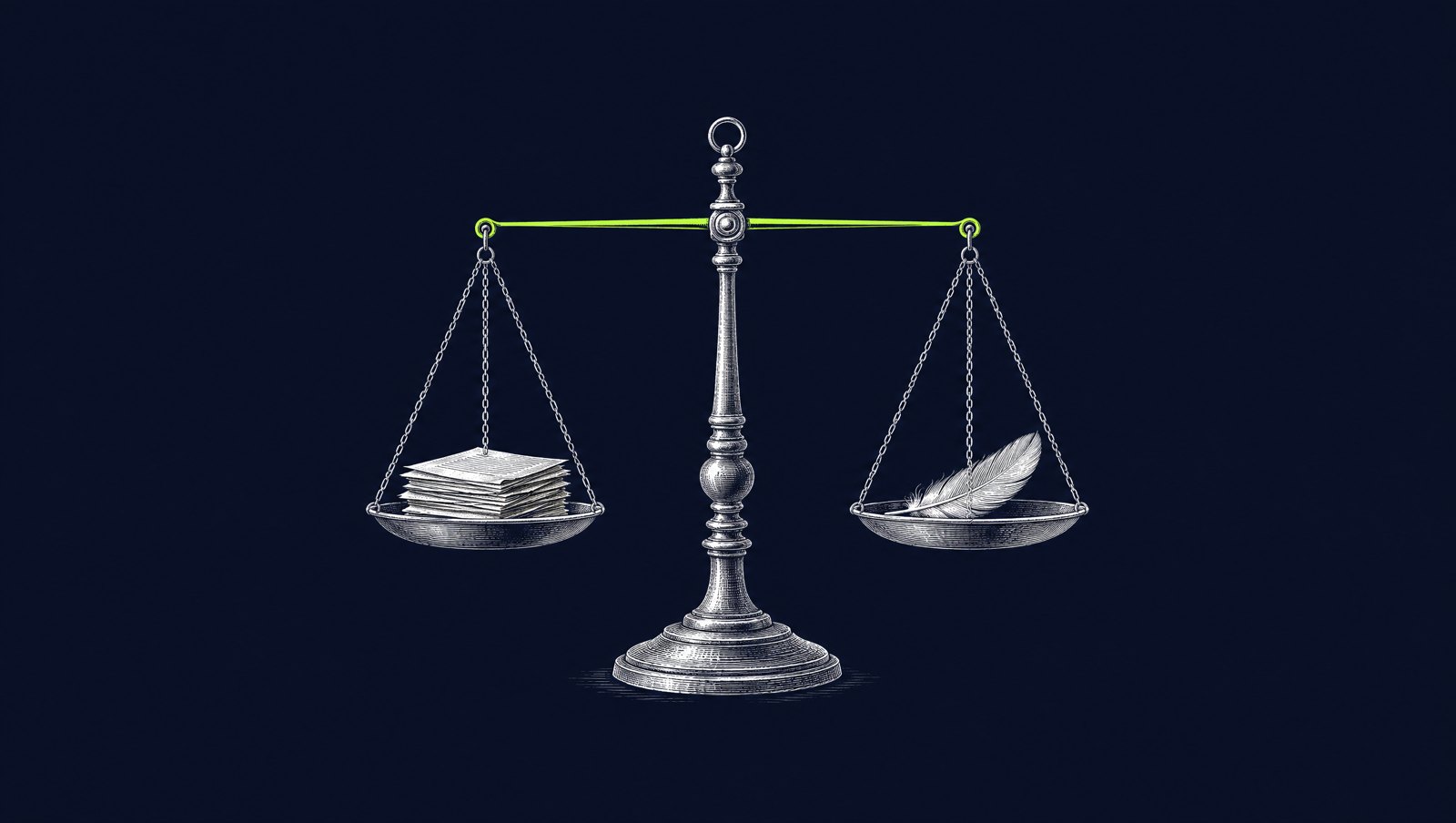
How we grade
A means controlled human studies or systematic reviews support it. B means consistent observational or animal evidence, or well-established physiology, without direct trials of the specific practice. C means the mechanism is plausible and there is no direct evidence either way; we hold C claims open and say so on the page. D means contested or contradicted; we do not teach D claims, and where members bring them, we say why.
A future module that cannot fill its evidence line with at least a B goes into the community as a discussion, not into the course as a lesson.
The claims Season One makes
Grade A
Where adult bone change has been measured at all, it takes months to years. Bone remodelling physiology; orthodontic and healing timescales. This is why we say bones don't move in two weeks, and say it often. It says nothing about whether tongue posture moves them; that question is graded C below, and we leave it open.
Tongue rest posture and the swallowing pattern are trainable in adults. Orofacial myofunctional therapy trials. The core of Phase 1.
Slow, exhale-lengthened breathing improves heart-rate variability and lowers anxiety. Controlled studies of paced breathing at around six breaths a minute. The core of Phase 3.
Myofunctional exercises reduce snoring and mild sleep-apnoea severity. Systematic review of myofunctional therapy in adults with obstructive sleep apnoea, moderate effect. Mentioned, never promised; apnoea is always referred out.
Sustained clenching loads the jaw joint; pain and headaches follow. Dental and temporomandibular literature. Week 4 is built on it.
Habits reach automaticity in roughly two months, with wide variance; cues, repetition and non-punitive self-monitoring help. Habit-formation and behaviour-change research. The reminder loop, cue fading and the idea that slips are data come from here.
Childhood mouth breathing and open-mouth posture are associated with altered facial growth. Animal nasal-obstruction studies; human cross-sectional data. Said as background, never as an adult promise.
Nasal breathing delivers sinus nitric oxide and warms, filters and humidifies air. Respiratory physiology.
Grade B
Forward head posture lowers the hyoid and the tongue. Cephalometric and EMG studies; direction of causation debated. Used in Week 2 as a practical link.
Regular nasal use reduces habitual congestion over weeks. Clinical observation; rhinitis management.
Grade C
Mouth taping reduces mouth breathing in selected adults without apnoea. A few small studies, no long-term data; leaning toward B. Offered with the caveats first; choosing not to tape completes the week fully.
The exhale-and-hold walk decongests the nose. A Buteyko convention with a plausible mechanism and no trials. Offered as a tool to try, not a claim.
Resting tongue pressure produces measurable structural change in the adult upper jaw. No controlled evidence either way; case reports and clinical assertion from the Mew school. We hold it as an open question: untested in a controlled study, and not ruled out. We never say your jaw will change.
Grade D
Mewing produces visible facial change in weeks. Contradicted by timescale physiology. We say the opposite, on this page, on the home page and on Day 1.
Mewing replaces orthodontic or surgical treatment. No evidence, and potential harm from delay. We refer out. Always.
Seasons Two to Eight are being graded in the same way and will be added here as each is finished. Last revised 2 October 2026.
When it is a doctor's question
Loud snoring with pauses or gasps. Waking with headaches that do not ease. A nose that never opens on one side, whatever you do. Jaw pain that stays after you stop clenching. Those are airway and joint questions, and they outrank this course. The page that raises them tells you to go, and we would rather lose a member to a good ENT than keep one who should have gone. Who to see, and what to say when you get there.
When to see someone